It usually starts the same way. You go to an outdoor sauna on a cold Saturday, you go back the next week, and before long you're measuring the back garden. A home sauna is a lovely thing to own: a hot room at the end of the garden whenever you want it, for the price of some wood or electricity. It's also a big purchase, and Irish weather is harder on a timber building than any brochure suggests. For prices on specific indoor and garden saunas, see our best home saunas in Ireland. For specific models and prices, see the best barrel saunas in Ireland.
This guide covers what to weigh up before you buy, from the shape and the heater to the base it sits on and whether you need permission to put it there.
Barrel, cabin or pod?
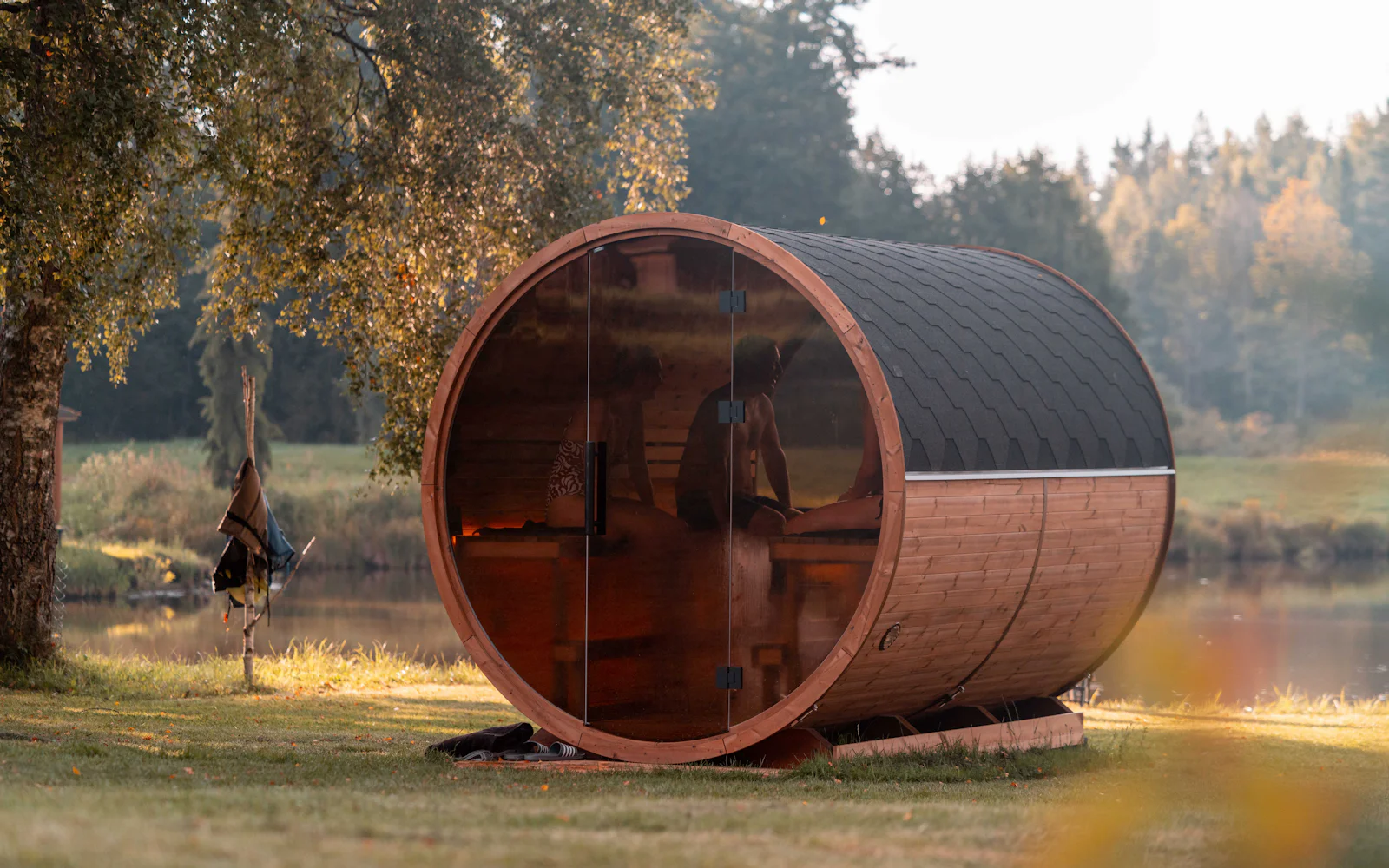
- Barrel saunas are round, made from interlocking timber staves held together with steel bands. They heat up efficiently because there's less dead air in the corners, they shed rain well, and they look the part. They can feel cramped for more than three or four people, and the curved walls mean less usable bench space than the length suggests.
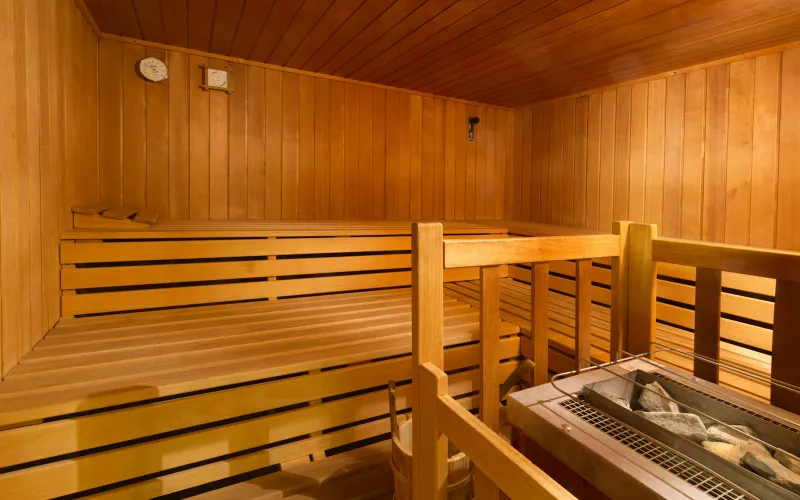
- Cabin saunas are square or rectangular. They're roomier for the same footprint, easier to fit with a proper changing area or porch, and easier to insulate well.
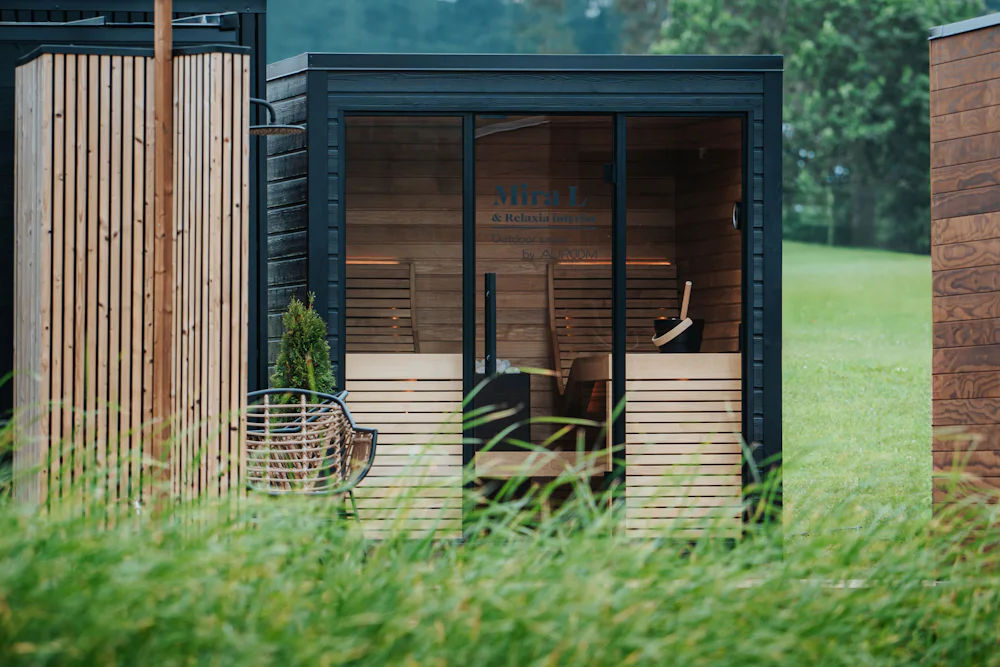
- Pod, cube and modern designs vary enormously. Some are excellent, some are mostly looks. Judge them on insulation, roof, timber and heater, not photos.
Think about how you'll actually use it. Two of you on weekday evenings is a very different brief from hosting six friends on a Sunday. A porch or changing area makes a bigger difference in an Irish winter than an extra bench.
Wood-fired or electric?
| Wood-fired | Electric | |
|---|---|---|
| Heat | Softer, with the crackle and smell most people love | Even and easy to control |
| Heat-up time | Usually 45 to 90 minutes | Usually 30 to 60 minutes |
| Installation | Chimney and flue, safe distances from timber | Dedicated supply from a registered electrician |
| Running | Needs dry, seasoned wood and tending | Switch on, often with a timer or app |
| Ongoing cost | Firewood | Electricity |
| Best if | You love the ritual and have somewhere to store wood | You want to use it often, at short notice |
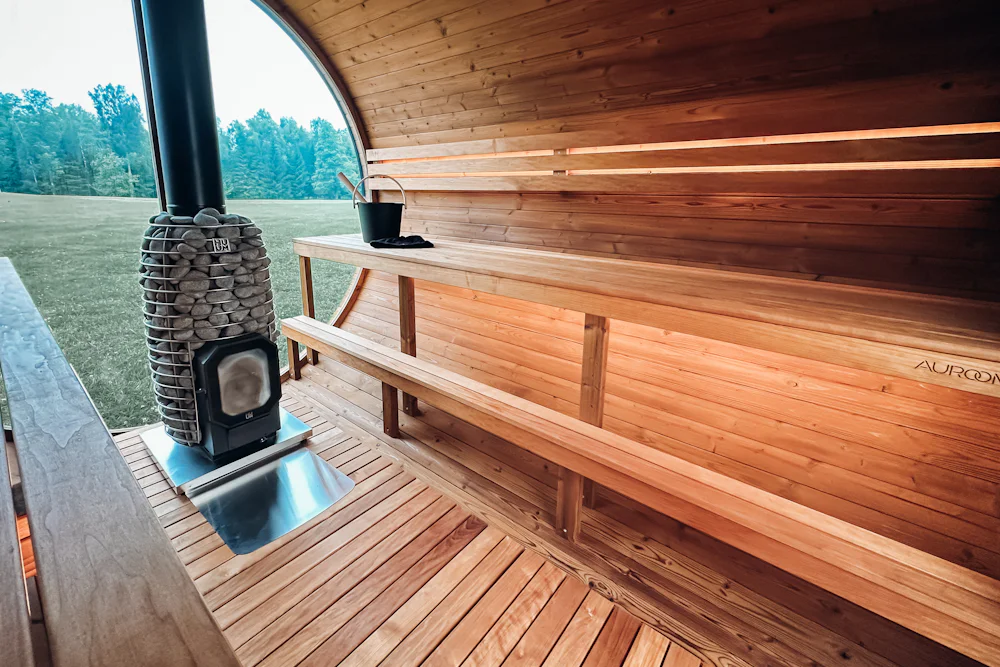
Wood-fired: what to know
A wood stove needs proper dry wood to burn well and cleanly. Solid fuel regulations signed in 2022 restrict the sale of wet wood for home heating in Ireland, and buying kiln-dried logs makes life much easier. Wet wood smokes, soots up the flue and annoys the neighbours. Make sure the stove and chimney are installed to the manufacturer's clearances, and get the flue swept regularly.
Electric: what to know
Sauna heaters for home use are typically 4.5 to 9 kW. As a rough rule, you need about 1 kW of heater for every cubic metre or so of sauna volume, with more for glass fronts and poorly insulated rooms. A heater like that needs its own circuit run from your consumer unit, and in Ireland that work must be done and certified by a registered electrical contractor. Get a quote for the electrics before you commit, because a long cable run to the end of the garden can add a surprising amount. For models and prices, see our guide to sauna stoves and heaters.
Running costs depend on your tariff and how long you heat it. As a rough guide, heating a small electric sauna and using it for an hour or so typically uses somewhere around 6 to 12 kWh, which on many Irish electricity plans works out at a few euro a session.
What it costs
Prices vary widely by size, timber, heater and finish, so treat these as indicative ranges to sense-check quotes against, not quotes themselves.
| Typical range | |
|---|---|
| Small barrel sauna (2 to 4 people) | Around €4,000 to €8,000 delivered |
| Larger barrel or cabin (4 to 6+), often with porch | Around €8,000 to €15,000 or more |
| Electrical installation for an electric heater | Varies with distance from the house; get a quote |
| Base (slab, paving or a timber deck) | From a few hundred euro if you do it yourself |
| Delivery to tight or awkward gardens | Sometimes extra, sometimes a crane |
Ask exactly what's included: heater, stones, chimney, delivery, assembly, roof covering and benches are not always in the headline price.
Irish weather: what wears saunas out
Rain, wind and a long damp winter. A sauna that would last decades in a dry Finnish forest can look tired in a few years in a wet, salty Irish garden if it isn't built and looked after for it.
- Roof covering. Bare timber on top weathers and leaks. Look for shingles, a membrane or a proper roof, especially on barrels.
- A raised, level base. Water needs to drain away and air needs to circulate underneath. Concrete, paving slabs or a solid frame all work. Grass doesn't.
- Timber. Thermally modified timber (thermowood) and cedar handle damp well. Ask what the timber is, how thick the walls are and how it's treated.
- Maintenance. Plan to oil or treat exposed timber outside every year or two, check the bands on a barrel as the wood swells and shrinks, and keep gutters and the base clear.
- Location. Shelter from the prevailing wind helps it heat faster and last longer. Keep it a safe distance from trees, fences and the house, especially if it's wood-fired.
Planning permission
In the Republic of Ireland, many garden structures are exempted development, which means no planning application is needed. According to Citizens Information, you can put a shed or similar structure at the back or side of your house without planning permission as long as it:
- doesn't extend in front of the building line of the house;
- is no more than 4 metres high with a tiled or slated pitched roof, or 3 metres with any other roof;
- has a floor area of no more than 30 square metres, on its own or together with any similar structures already there (this limit went up from 25 square metres on 27 July 2026);
- leaves at least 25 square metres of open space at the back or side of the house;
- matches the finish of the house and existing roof;
- isn't lived in or used for commercial purposes.
Most home saunas are well under 30 square metres, but count any existing shed or garden room too. The "matches the finish of the house" condition is worth checking early for a timber barrel or pod, so ask your local authority if you're unsure.
Before you buy: a checklist
- Ask to see one in person, ideally one that's been outside through a winter.
- Check what the warranty covers (timber, roof, heater) and for how long, and whether the supplier is in Ireland.
- Check the heater is sized for the sauna's volume.
- Get the electrics or chimney priced before you commit.
- Measure the delivery route as well as the spot it's going.
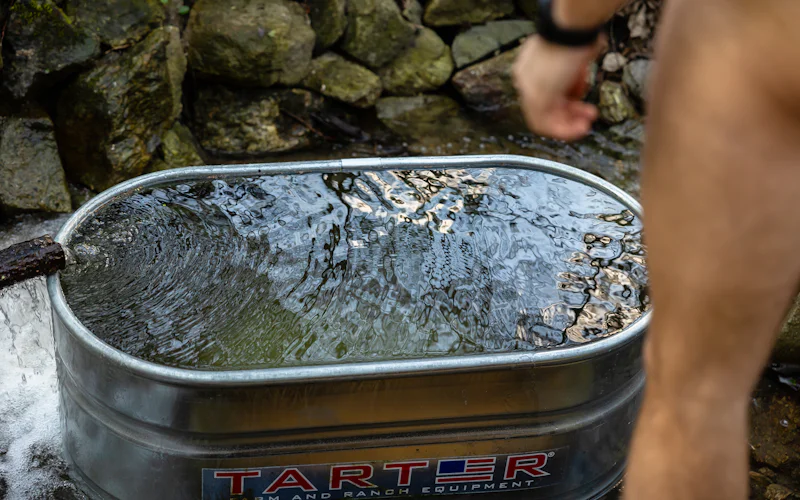
- Plan the cold side too: a shower, a hose or a plunge tub. See our home ice bath guide.
Try before you buy
The best research is free: go to a few public saunas and notice what you like. Barrel or cabin, wood or electric, how many people feels right. Many of the saunas we list are barrel saunas, and some of the people who run them sell or build saunas too. Browse wood-fired saunas or open the map to find some near you.