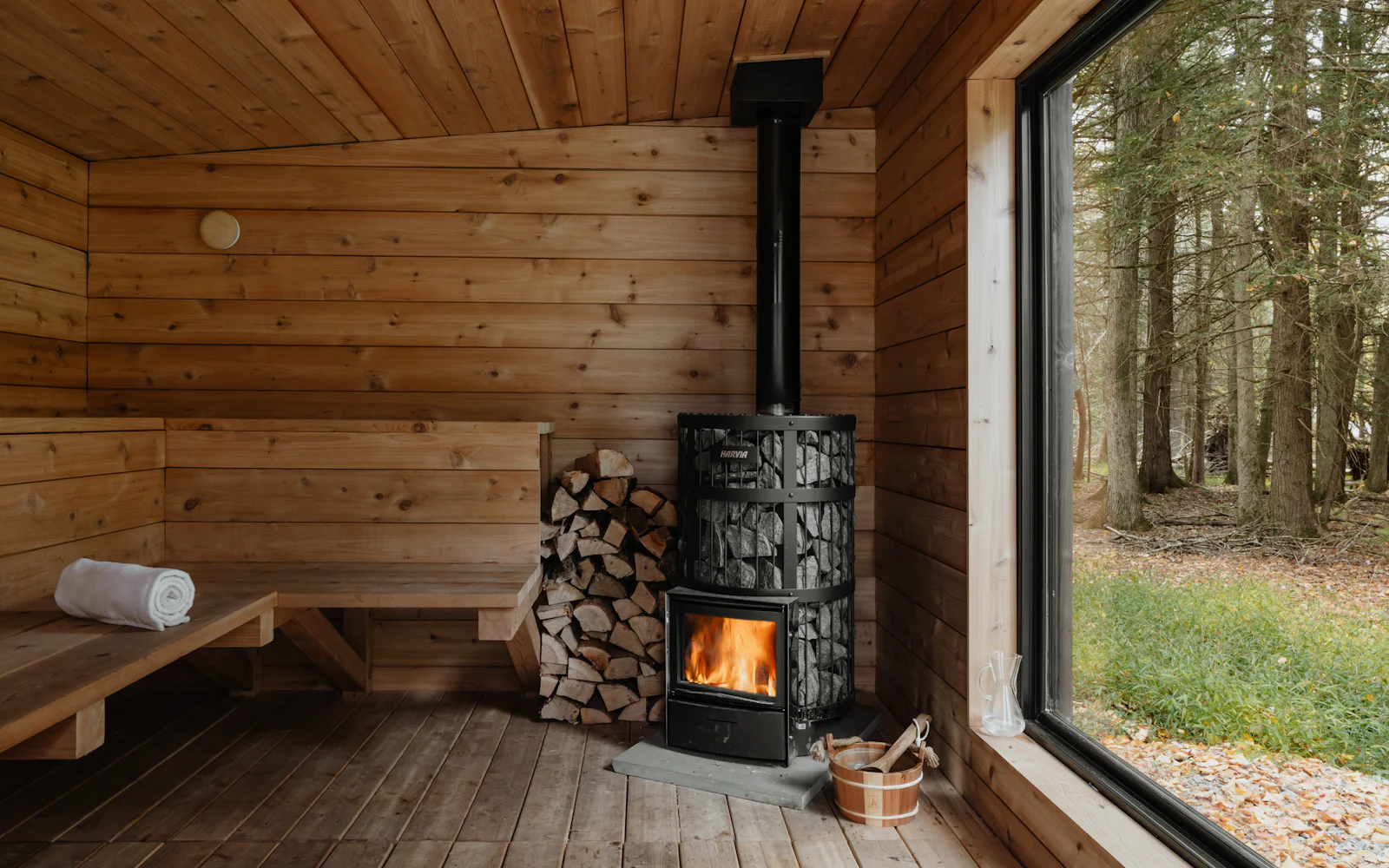
Picture a timber cabin on a pier in the west of Ireland. The stove is ticking, the windows are fogged, and through the glass the Atlantic is the colour of slate. You've been sitting in 80 degrees of dry heat for ten minutes, your shoulders have dropped for the first time all week, and in a moment you're going to walk down the slipway into the sea. That's what most people mean when they talk about going for a sauna in Ireland now, and it's a long way from the beige hotel-gym sauna you might be picturing.
If you've never done it, it's normal to feel like everyone else knows the rules. There aren't many, they're easy, and the people running these places are almost always delighted to talk a first-timer through it. This guide covers everything you need to walk in feeling like you've done it before.
What an Irish sauna session is actually like
Most of the saunas we list aren't attached to a spa. They're small businesses: a barrel sauna on a beach, a converted horsebox at a harbour, a cabin beside a lake, a wood-fired sauna behind a GAA club. More than 100 of them sit right beside the sea, and most of the rest have a cold plunge tub, a river or a lake for cooling off.
You book a slot, usually 45 to 60 minutes, and share the sauna with a handful of other people who've booked the same session. Some venues sell private hire too, where you have the whole sauna for your group. During your slot you go back and forth as you like between the heat and the cold, with a rest in between. Nobody times you and nobody tells you what to do, beyond a few safety notes at the start.
| Typical | |
|---|---|
| Price | €12 to €16 for a shared session; private hire costs more |
| Length | 45 to 60 minutes, sometimes 90 |
| Group size | Usually 4 to 10 people |
| Heat | Around 70 to 90°C, hotter on the top bench |
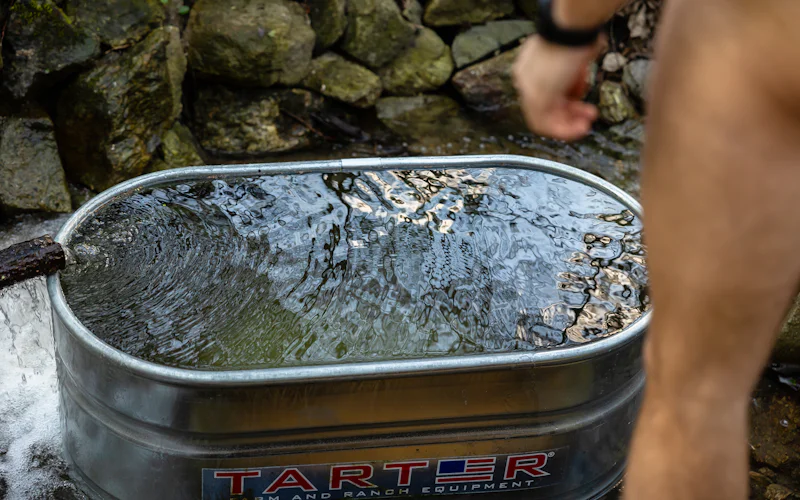
| Cooling off | The sea, a lake or river, a plunge tub or a cold shower |
| Facilities | Varies a lot: some have showers and changing rooms, many have neither |
Those prices come from the booking pages of the saunas in our directory: where we've recorded a price, the cheapest shared session is most often about €15. Sunrise and late-evening slots tend to sell out first, especially at weekends.
Booking: a few things worth knowing
- Book online and book early. Most venues run on online booking and popular sessions fill days ahead. Turning up on spec rarely works.
- Read the confirmation email. It usually tells you where exactly to find the sauna (some are hard to spot from the road), whether there's parking, and whether you need to bring your own towel.
- Check the weather policy. Outdoor saunas run in almost all weather, but storms and big swells can close them. Most will move your booking if they cancel.
- Arrive 10 minutes early. You'll need time to find the place, change and hear the safety briefing without eating into your session.
- Going alone is completely normal. Plenty of people book a single spot, and shared sessions are an easy place to end up chatting to strangers.
What to wear
A swimsuit. Nearly every shared sauna in Ireland is mixed and swimwear-on, and that's what you should assume unless the venue tells you otherwise. Trunks, a swimsuit or a bikini are all fine. If you can, bring a second dry one: sitting in a cold wet swimsuit between rounds is the least pleasant part of the afternoon, and changing into a dry one for the drive home makes a big difference in winter.
On your feet, sliders or old runners for walking between the sauna and the water. Shingle, barnacled pier steps and frozen sand are all harder on bare feet than you'd think. Leave jewellery at home or in the car: metal gets hot in a sauna, and rings slip off in cold water.
What to bring
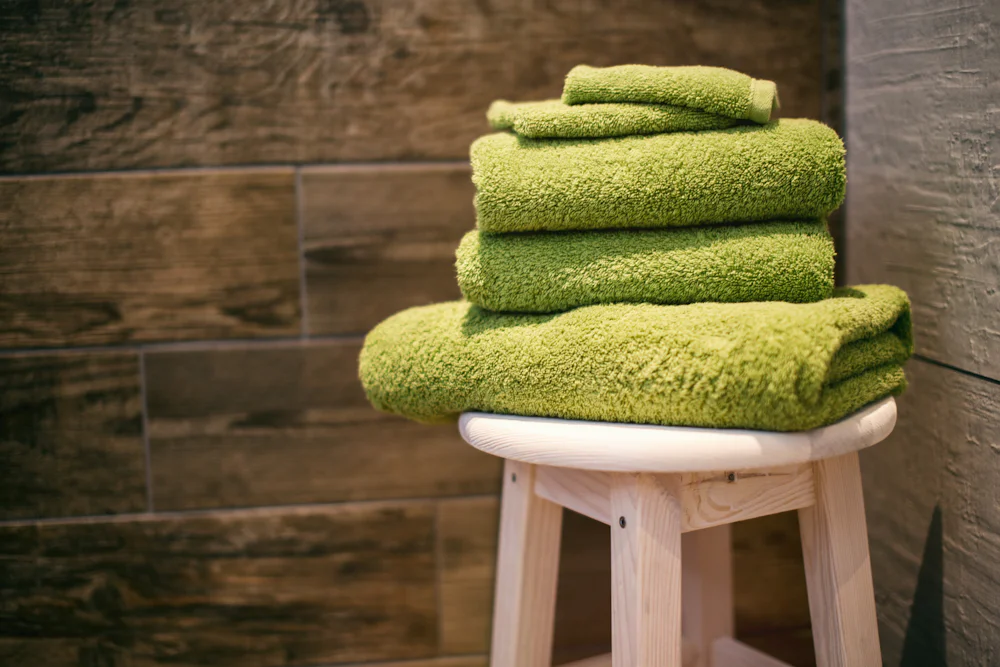
- Two towels. One to sit on in the sauna, which is expected for hygiene, and one to dry off with. Some venues provide them, most don't.
- A warm layer for between rounds. A robe, a hoodie or a big coat. In winter, add a woolly hat: your head loses heat fast once you're out of the water.
- A bottle of water. You can sweat half a litre or more in a session without really noticing.
- Sliders or old runners.
- A bag for wet things. A dry bag or even a bin bag saves your car seats.
- A swim hat and gloves in winter, if you plan to swim rather than dip.
Leave behind: your phone (or at least keep it out of the sauna, where heat damages it and nobody wants it), anything glass, and strong perfume or aftershave, which fills a small hot room quickly.
How a session works, round by round
There's no set routine and you'll find your own rhythm quickly. This is a sensible way to do your first one:
Change and rinse
Change, and rinse off under the shower if there is one. Leave your warm layer and towel somewhere you can reach them as soon as you come out of the water.
First round: low and short
Sit on the lower bench for 8 to 10 minutes. Heat rises, so the top bench can be 15 to 20 degrees hotter than the bottom one. Breathe through your nose, relax your shoulders, and leave whenever you've had enough, even if it's only five minutes.
Cool down
Walk into the sea up to your waist or shoulders, dip in the plunge tub, or stand under the cold shower. Thirty seconds to a minute is plenty the first time. Breathe out slowly as you go in.
Rest
Sit outside for five minutes or so, wrapped up, and let your body settle. This is the part people forget, and it's the part a lot of regulars say they love most.
Repeat
Two or three rounds is a good first session. Some people stay in the heat longer on later rounds; some don't. There's no target to hit.
Finish and warm up
Dry off, get dressed and get warm straight away. Your body can keep cooling for a while after cold water, so don't stand around chatting in a wet swimsuit.
How hot is it, and what's the steam about?
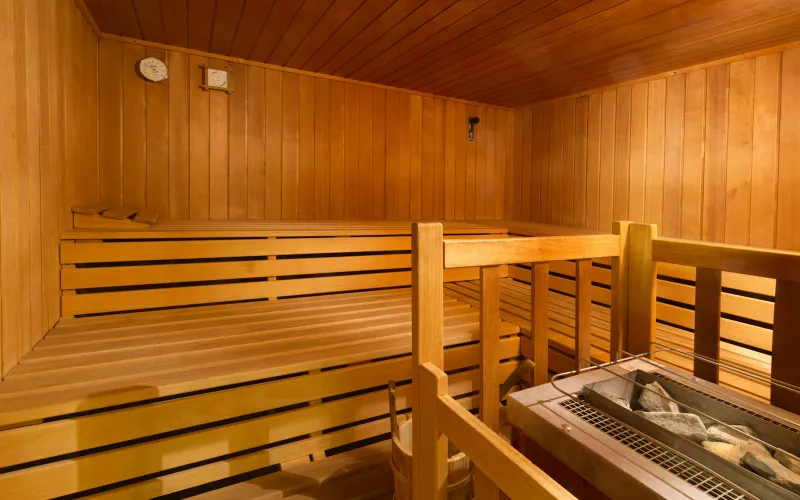
Most of the saunas here are Finnish-style: dry heat, usually somewhere between 70 and 90°C, with a pile of hot stones on top of the stove. Every so often someone ladles water onto the stones. That burst of steam, called löyly in Finnish, makes the room feel suddenly much hotter for a minute, because humid air carries heat into your skin far better than dry air. For more, see our guide to sauna temperature.
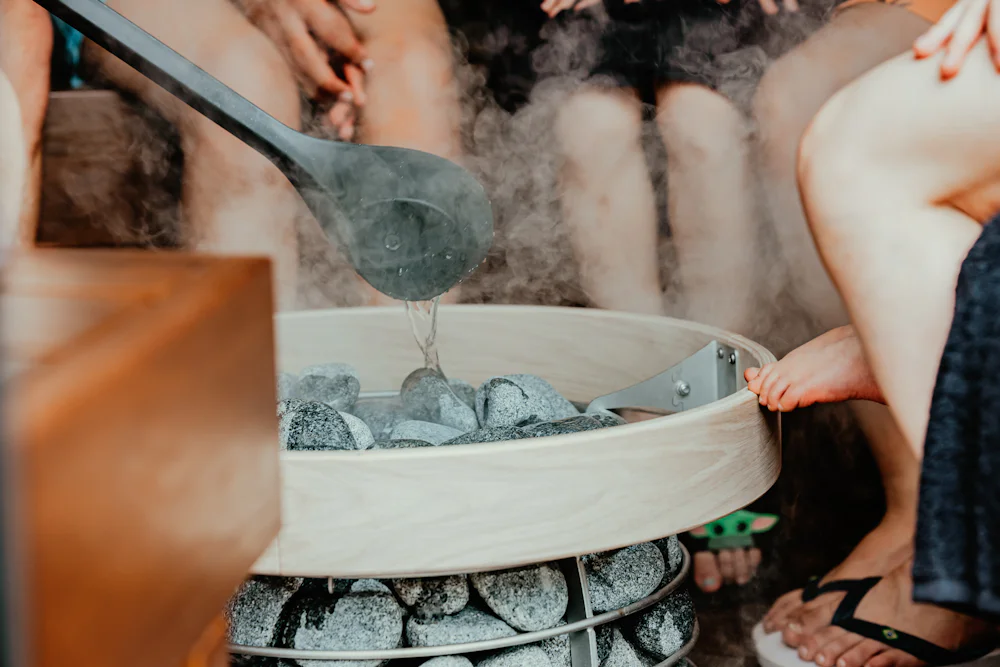
It's normal for the first round to feel intense. Your heart rate goes up, you sweat a lot, and some people feel slightly light-headed when they stand up. Move slowly, sit back down if you need to, and get out if you feel dizzy or unwell. Wood-fired saunas often feel softer than electric ones at the same temperature, which is one reason so many outdoor saunas in Ireland use them.
Sauna etiquette
- Sit on your towel. Every time, on every bench.
- Ask before adding water to the stones. The steam heats the whole room, not just you. A quick "mind if I put water on?" is all it takes.
- Keep your voice down. Chat is fine and often half the fun, but plenty of people use a sauna to switch off. Read the room.
- Close the door quickly. Every second it's open lets the heat out for everyone.
- Rinse off before you get in if there's a shower, especially after a sea swim.
- Leave the phone outside. Photos of other people in swimsuits are a definite no.
First-timer worries
What if I can't handle the heat?
Then you leave. Nobody minds and nobody's counting. Sitting on the lower bench and taking short rounds is how everyone starts.
I'm not a strong swimmer. Can I still go to a sea sauna?
Yes. Most people don't swim at all between rounds: they walk in until the water is around their waist, dunk, and walk back out. Many sea saunas also have a cold shower or tub. If you do go in the sea, stay where you can stand. Our sea sauna safety guide covers the essentials.
Do I have to do the cold part?
No. Plenty of people just sit outside to cool down. If you're curious about the cold, our guide to doing sauna and ice bath together explains how to ease into it.
Will it be awkward with strangers?
Far less than you'd expect. Sharing a small hot room and a freezing sea with people tends to make conversation easy, and the atmosphere at most Irish saunas is relaxed and friendly.
When not to go
Also give it a miss for a day or two after a big night or a stomach bug, when you're likely to be dehydrated already. Eat something light an hour or two before rather than going on an empty or very full stomach.
Where to try your first sauna
Every sauna on this site has its own page with prices, opening hours and how to book. Browse saunas by county, open the sauna map to see what's near you, or start with the busiest spots: Dublin, Galway, Cork and Kerry. If you want a cold plunge rather than the sea, see ice baths by county.